
Ensuring a Safe Environment in Construction Projects
Demolition work is essential in many construction projects. It involves breaking down structures to make way for new developments. However, it also creates a significant amount of waste and potential hazards. Ensuring safety during the demolition process, especially with debris removal, is crucial. Careful planning and execution can prevent accidents, protect workers, and minimize environmental impact. In this article, we will explore the various safety measures undertaken to manage debris effectively and safely.
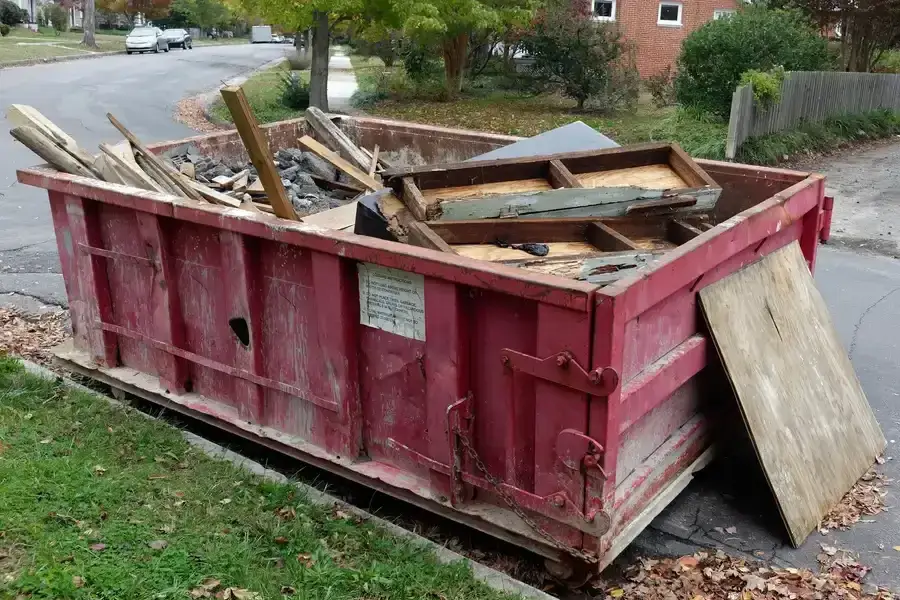
Understanding Safety Protocols in Demolition Work
The primary goal of safety protocols is to protect everyone involved. This includes workers on-site and people nearby. Proper training and equipment are vital components of any safety plan. Workers need to know how to handle materials safely and what to do if something goes wrong.
Essential Personal Protective Equipment (PPE)
PPE is crucial in protecting workers from injuries during demolition work. This gear includes helmets, gloves, goggles, and boots. These items guard against falling debris, sharp objects, and hazardous materials. By wearing PPE, workers reduce their risk of injury significantly.
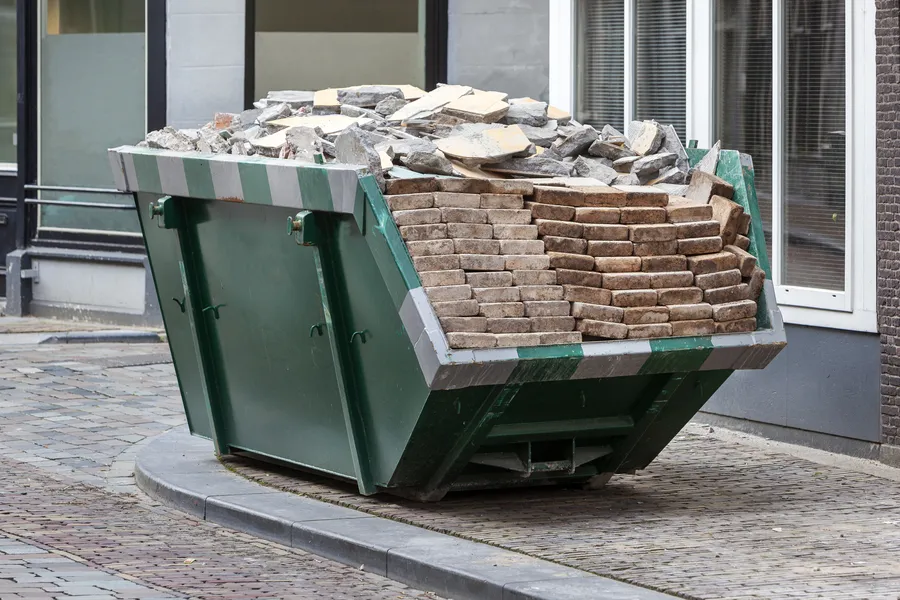
Effective Management of Dust and Airborne Particles
Demolition activities often generate dust and other airborne particles. Managing these effectively is key to ensuring air quality remains safe. Techniques include using water sprays or misting systems to dampen dust particles. Using these methods during debris removal keeps the air clean and breathable for everyone on-site.
Planning for Safe Traffic Flow
Construction sites can be busy places with vehicles moving in and out regularly. Establishing clear pathways for vehicle movement helps avoid accidents. Additionally, having designated drop-off points for debris removal allows for smoother operations without disrupting normal traffic flow.
Disposal of Hazardous Materials
Some materials found in old buildings, like asbestos or lead, can be dangerous. Proper disposal is critical to prevent environmental contamination and health risks. Specialists are often required to handle these hazardous substances safely. This ensures compliance with regulations and guarantees public safety.
Regular Inspection and Maintenance of Equipment
Equipment used in demolition must be inspected regularly. Regular maintenance prevents malfunctions that could endanger workers’ lives. Ensuring all tools and machinery are in working order contributes to safer demolition processes.
Training Programs for Workers
Continuous training is essential to keep workers updated on best practices. Training covers the correct use of equipment, understanding safety signs, and emergency procedures. By investing in worker education, companies foster a culture of safety.
Communication as a Key Factor
Clear communication among team members enhances efficiency and safety. Regular briefings ensure everyone understands their roles and responsibilities. When teams communicate well, they can quickly address issues that arise during debris removal.
- Always wear appropriate PPE such as helmets and gloves.
- Dampen dust with water sprays during work.
- Have clear signage for vehicle routes within the site.
- Engage specialists for handling hazardous materials.
- Conduct routine inspections on all equipment used.
Why Professional Guidance Matters
Hiring experienced professionals for demolition tasks ensures adherence to safety standards. Professionals understand the nuances of debris management and are equipped to handle challenges efficiently.
Your Partner in Safe Demolition Practices
If you seek expert guidance on safe demolition practices, look no further than RL Hauling Service. Our team is dedicated to providing top-notch services tailored to meet your needs. Based in Concord, CA, we have extensive experience in the field. Call us at (925) 497-8851 today to learn more about our comprehensive solutions designed with safety at their core.